Nylon vs Cotton: A Material Comparison
Choosing between nylon and cotton can significantly affect a product’s durability, performance, and cost. Each material offers unique characteristics that make it better suited for specific applications. Nylon and cotton behave differently when exposed to stress, moisture, chemicals, and outdoor conditions.
Understanding how each material performs helps ensure the end product can meet demanding requirements while staying efficient to produce. Careful selection based on environment, use, and design goals is key to a successful result.
Durability & Strength
Nylon
Nylon is known for its exceptional strength and abrasion resistance. It maintains its integrity under tension and is less likely to tear or wear down over time, making it a top choice for demanding environments. Its synthetic structure gives it the ability to handle heavy loads and repetitive movement without degrading. Products made with nylon tend to hold their shape and resist fraying, even with prolonged use.
Cotton
Cotton offers decent strength for everyday applications but lacks the toughness of nylon under high-stress conditions. Natural cotton fibers are more prone to tearing and abrasion, especially when exposed to moisture or friction. While it performs well in low-impact environments, cotton generally doesn’t provide the same long-term durability required for industrial or outdoor use.
Moisture & Chemical Resistance
Nylon
Nylon has excellent resistance to water and many common chemicals. Its low absorbency helps prevent moisture buildup, reducing the risk of mold, mildew, and material breakdown. This makes it ideal for products exposed to wet or chemically aggressive environments, such as containment systems, protective covers, or components in industrial washdown areas. Nylon’s chemical resistance also allows it to perform reliably in settings where oils, solvents, or fuels are present.
Cotton
Cotton naturally absorbs moisture, which can lead to faster degradation when exposed to damp conditions. It is more likely to retain water, encouraging the growth of mold or mildew and weakening the fibers over time. Cotton also offers limited resistance to chemicals, and many industrial compounds can break down or stain the material. While cotton is comfortable and breathable, it is not suited for environments where exposure to moisture or chemicals is a concern.
Flexibility & Form Factor
Nylon
Thanks to its synthetic composition, this material is highly flexible and easily conforms to complex shapes without losing strength. It can be engineered to be thin and lightweight or thicker and more rigid, depending on the application's needs. Its ability to return to its original form after stretching makes it a reliable choice for products that require durability alongside movement or compression.
Cotton
With a soft, natural weave, this material offers comfort and pliability but lacks structural memory. It can be shaped and sewn easily, making it a practical option for applications that don’t require the material to maintain a specific form under pressure. However, once stretched or deformed, it tends not to rebound, which limits its usefulness in high-flex environments.
UV & Heat Resistance
Nylon
When exposed to prolonged sunlight, nylon can degrade over time unless treated with UV inhibitors. While it holds up well under moderate heat, excessive temperatures can cause it to melt or lose structural integrity. In controlled environments or with added UV protection, it remains a durable choice for outdoor use, especially when performance and toughness are required.
Cotton
Naturally more resistant to UV exposure, cotton tends to fare better in direct sunlight without the need for additives. It doesn’t weaken as quickly under UV rays, which can make it more stable in long-term outdoor applications. However, it can scorch or ignite more easily under high heat compared to synthetic options, making temperature sensitivity a factor in certain designs.
Weight & Feel
Nylon
Known for being lightweight, nylon has a smooth, slightly glossy finish that doesn’t trap moisture or add bulk. It packs tightly, making it ideal for applications where storage space or weight is limited. While not as soft as natural fibers, it provides a sleek, durable surface that works well in industrial and protective applications.
Cotton
With a denser weave and natural texture, cotton tends to feel heavier and softer in the hand. Its breathable nature adds comfort but also increases bulk, especially when wet. The added weight can be a limitation for products that need to stay light or compress easily for transport.
Common Use Cases by Industry
Nylon
Nylon is widely used across industries that demand strength, durability, and resistance to environmental stress. In industrial manufacturing, it's often found in containment covers, equipment enclosures, and flexible barriers that must withstand abrasion, chemicals, or moisture. The transportation and logistics sectors use nylon for protective wraps and cargo covers due to its lightweight strength. Medical and military applications also rely on it for components that need to be both flexible and rugged.
Cotton
Cotton sees more use in applications where breathability, softness, or a natural aesthetic is prioritized. In industrial settings, it's often used for protective padding, interior linings, or covers where moisture resistance is not critical. Certain agricultural and packaging applications also utilize cotton when the environment is low-impact, and the material’s biodegradable qualities are valued. While not as performance-driven as nylon, cotton can still play a vital role where comfort or a natural material is preferred.
Manufacturing Considerations
Nylon
Working with nylon requires specialized equipment and processes, particularly when high-strength, sealed seams are needed. Techniques like RF welding or heat sealing are ideal for joining nylon materials without puncturing or compromising structural integrity. Nylon responds well to precision cutting and engineered shaping, making it suitable for complex designs. However, because it’s synthetic, careful temperature control is essential during production to avoid warping or melting.
Cotton
Cotton is easier to cut and sew using standard industrial sewing equipment, offering flexibility in production without the need for heat-based bonding methods. Its natural fibers are forgiving during fabrication, but they can fray or weaken at seams if not properly reinforced. Cotton doesn’t respond to RF welding, so stitching or other mechanical fastening methods are required. While simpler to handle, cotton may require more finishing work to maintain durability.
How Carolina CoverTech Leverages Specialized Services for Each Material Type
Carolina CoverTech uses RF welding and heat sealing to get the most out of nylon’s strength and resistance. These methods create clean, sealed seams without the need for stitching, making nylon ideal for airtight, watertight, and high-durability applications.
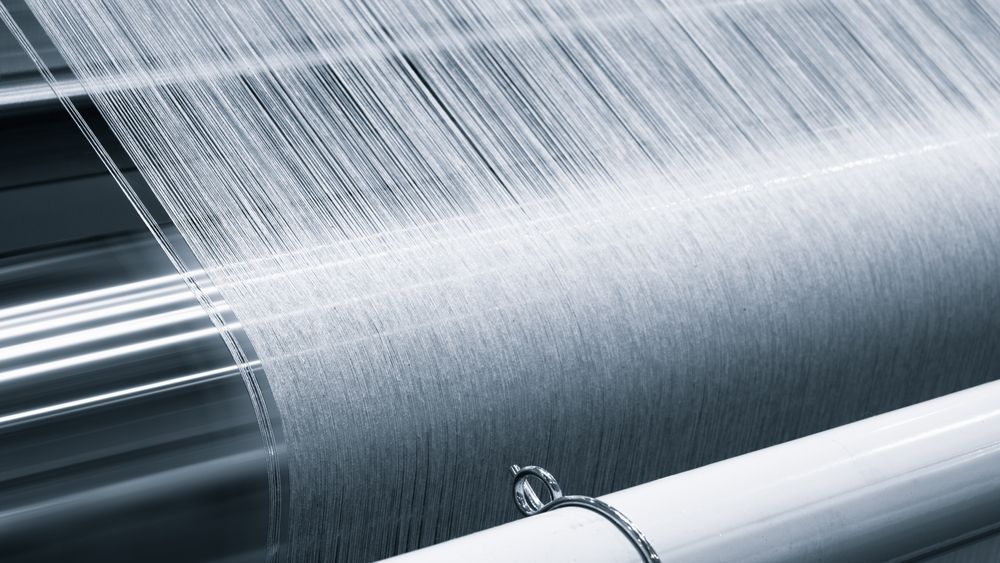
For cotton, industrial sewing techniques are used to reinforce seams and maintain the fabric’s integrity. This approach works well when a softer, breathable material is needed. The team also supports rigid-to-flexible conversions, helping customers shift designs toward fabric-based solutions where it makes sense. Each project is engineered to match the right material with the right process.
Final Comparison & Material Selection Guide
Choosing the right material starts with understanding the product’s environment, function, and durability needs. Carolina CoverTech helps customers navigate these decisions by combining deep material knowledge with specialized manufacturing capabilities.
With services like RF welding, heat sealing,
industrial sewing, and rigid-to-flexible conversions, our team ensures each material is used to its full potential.
Contact us for support in developing high-performance products that cover, protect, contain, or enclose with precision and reliability.
need a contract manufacturer?
Carolina CoverTech can build to your exact specs. Request a quote today.