What Are Geotextiles & What Are They Used For?
Geotextiles play a key role in construction and civil engineering. They’re used to stabilize soil, control erosion, and improve drainage across a range of projects. These materials are often placed beneath roads, embedded in retaining walls, or integrated into drainage systems. Geotextiles provide strength and long-term performance in environments where other materials may break down. Understanding how they work and where they’re used can help teams choose the right material for demanding conditions.
What Are Geotextiles?
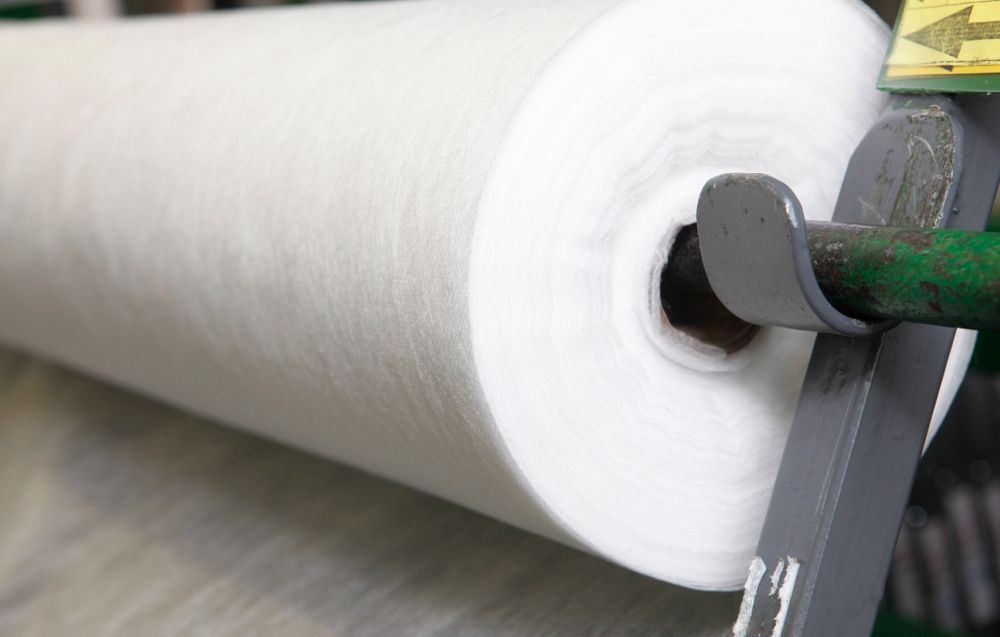
Geotextiles are permeable fabrics used to improve the performance and durability of soil and aggregate systems. They’re typically made from synthetic polymers like polypropylene or polyester, which offer long-term resistance to moisture, rot, and chemical exposure.
The fabrics come in different forms, including woven, non-woven, and knitted variations. Each type is designed to support specific functions such as filtration, separation, reinforcement, or drainage. Woven geotextiles offer high tensile strength, making them ideal for stabilization. Non-woven options provide better filtration and flow characteristics.
Key Functions of Geotextiles
Geotextiles serve several core functions that make them valuable across construction and environmental projects. These functions include separation, filtration, drainage, reinforcement, and protection. Each one supports long-term structural stability and helps extend the life of the materials around it.
Separation
Separation is one of the most common uses of geotextiles. The fabric acts as a barrier between two different materials, often soil and aggregate. When those materials are allowed to mix, the result is loss of strength, shifting, and early failure of the structure.
Geotextiles prevent mixing and help preserve the original layout. This improves load distribution and reduces long-term maintenance. Separation is frequently used in roadbeds, foundations, and areas with repeated traffic or heavy loads.
Filtration
Filtration allows water to pass through while holding back fine particles from the surrounding soil. This helps maintain the stability of drainage systems without clogging or erosion.
Geotextiles used for filtration are typically non-woven, offering a balance between permeability and particle retention. These fabrics are placed between soil and drainage materials to keep sediment out while allowing consistent water flow. This function is critical in retaining walls, French drains, and underdrain systems where long-term flow capacity matters.
Drainage
In drainage applications, geotextiles help move water away from structures while keeping the surrounding soil in place. The fabric works as both a filter and a channel, allowing steady water flow while preventing sediment from clogging the system.
Retaining walls, foundation systems, and roadways all benefit from proper water movement through the soil. Geotextiles help manage that flow, which supports long-term structural performance and reduces the risk of erosion or washout.
Reinforcement
Geotextiles are often used to increase the strength and load-bearing capacity of soil. The fabric adds tensile strength to weak or unstable ground, helping distribute loads more evenly across the surface.
In areas with soft soils or high-traffic demands, reinforcement can prevent shifting, rutting, or settlement over time. Roads, embankments, and retaining structures all benefit from this added strength, which helps extend service life and reduce structural failure.
Protection
Geotextiles also serve as a protective layer between surfaces that need to stay intact under stress, movement, or abrasion. They can prevent damage to geomembranes, waterproofing systems, or other barrier layers during installation or over time.
In many cases, the fabric absorbs impact or reduces friction between materials. This helps maintain the performance of the layers beneath, especially in applications like landfill liners, tunnel construction, and containment systems.
Common Applications of Geotextiles
Geotextiles are used in a wide range of construction and infrastructure projects. In road construction, they help stabilize subgrades and reduce rutting. In drainage systems, they keep soil from clogging pipes or gravel beds. Retaining walls rely on geotextiles to improve stability and manage water flow behind the structure.
Other common uses include erosion control along shorelines and slopes, reinforcement in embankments, and soil separation beneath railways or airport runways. Geotextiles are also used in containment areas where barriers need added strength or filtration. The versatility of these fabrics makes them a reliable solution in both temporary and permanent installations.
Custom Fabrication in Geotextile Development
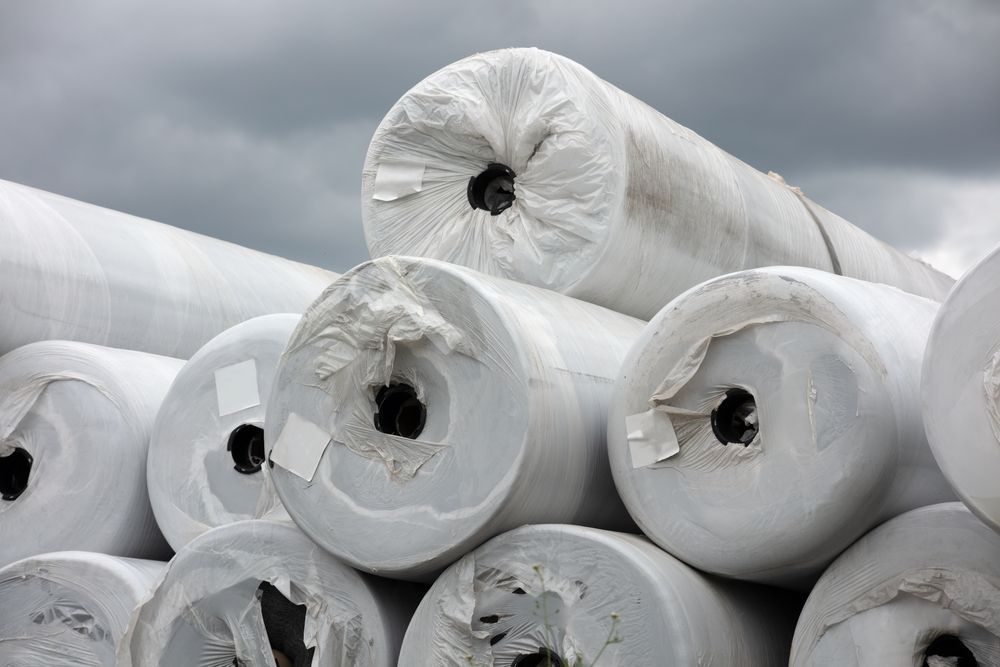
Standard geotextile rolls don’t always meet the needs of complex projects. In many cases, custom fabrication is required to match specific dimensions, shapes, or performance criteria. Custom-cut panels, welded seams, and integrated features can help streamline installation and reduce on-site labor.
For projects involving irregular layouts or unique performance demands,
customized geotextiles can solve challenges that off-the-shelf products can’t. Tailored fabrication also makes it easier to meet regulatory or environmental requirements while improving efficiency in the field.
Choosing the Right Geotextile for Your Project
Selecting the right geotextile depends on several factors, including soil type, load conditions, drainage needs, and the expected lifespan of the structure. Woven fabrics are typically used when strength is a top priority, such as in roadbeds or embankments. Non-woven fabrics are more common in filtration and drainage applications where water flow is a key concern.
Other considerations include UV exposure, chemical resistance, and installation methods. Working with a fabrication partner helps align the material selection with both the performance goals and the physical demands of the site. When durability and fit are non-negotiable, a tailored geotextile solution is often the most reliable option.
Carolina CoverTech’s Capabilities in Geotextile Fabrication
Carolina CoverTech works with companies that need specialized geotextile solutions built to perform in the toughest environments. Through RF welding, industrial sewing, and rigid-to-flexible conversions, our team can fabricate geotextile components that match exact project requirements.
We help clients who need custom panel sizes,
reinforced seams, or integration with other materials like vinyls or coated fabrics. Every project goes through our
in-house design and
development process, where we engineer products for strength, durability, and ease of installation.
When off-the-shelf solutions fall short, Carolina CoverTech can step in as a manufacturing partner that brings technical experience, precision, and problem-solving to the table.
Contact us to discuss your geotextile fabrication needs and see how Carolina CoverTech can help bring your project to the next level.
Let's talk about your geotextile fabrication
Carolina CoverTech builds to your exact specs. Request a quote today.