Polyester vs. Cotton: A Material Comparison Guide
Material selection plays a major role in how a product performs, how it’s built, and how it holds up over time. In contract manufacturing, every choice has a purpose. Comparing polyester vs. cotton means looking at how each material behaves under pressure, responds to environmental factors, and fits into the production process.
Both are used in sewn products that need to be strong, reliable, and consistent. Knowing the differences helps you choose the right material for the job and avoid problems down the line.
What Is Polyester?
Polyester is a synthetic fiber valued for its strength, durability, and shape retention. It resists shrinking, stretching, and moisture, making it a dependable choice for demanding environments.
Its ability to perform under pressure makes it a common material in industrial covers, containment products, and other sewn applications that require long-term durability.
How Is Polyester Made?
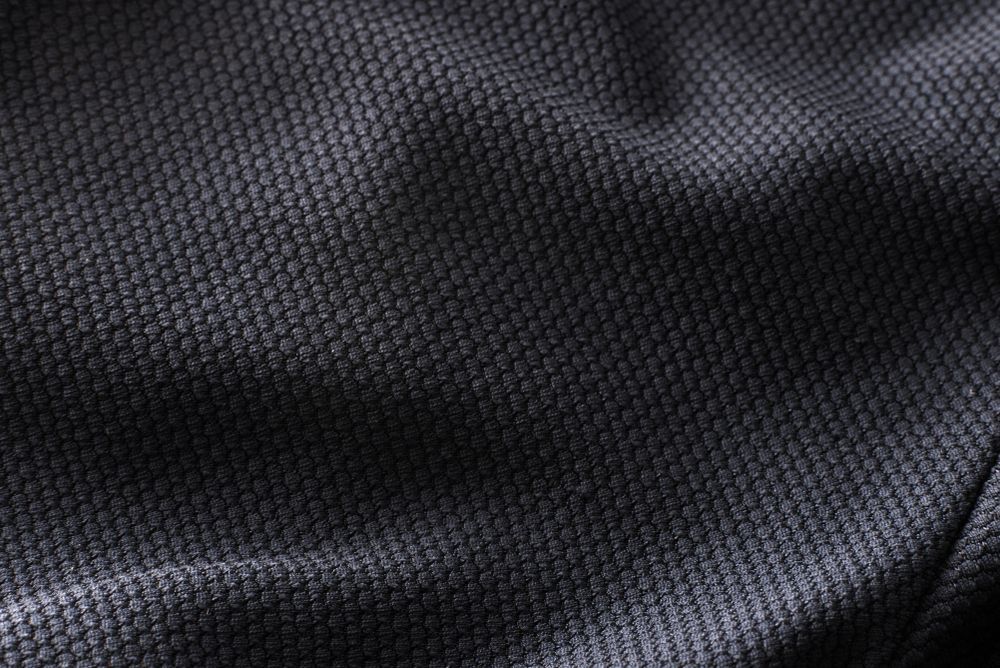
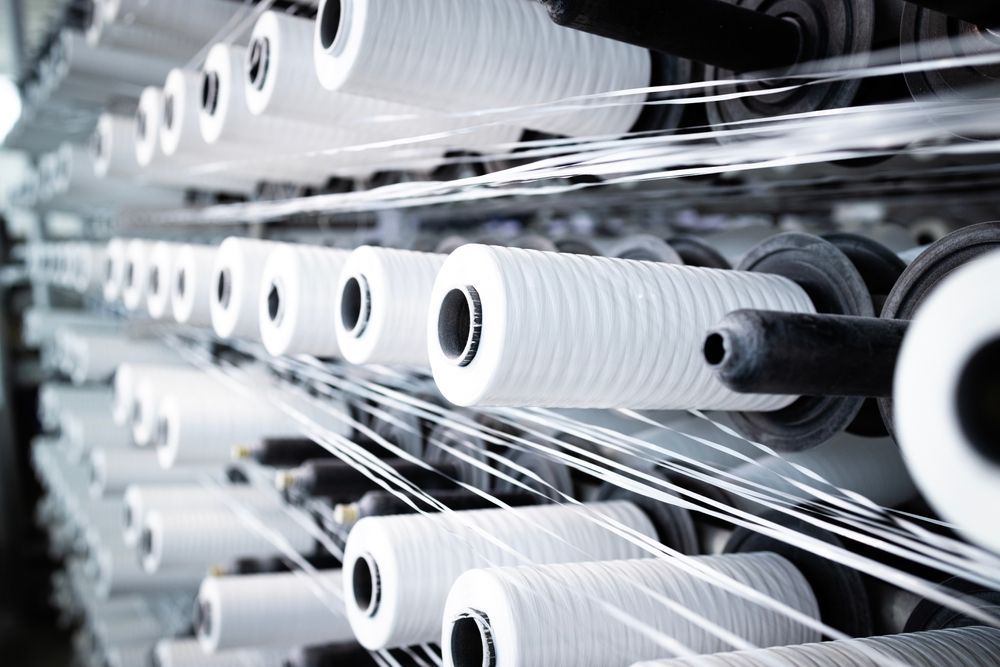
Polyester is produced through a chemical process that combines petroleum-based compounds to form long, strong polymer fibers. These fibers are then spun into threads or woven into fabric.
Because it’s man-made, polyester can be engineered to meet specific needs. Manufacturers can adjust thickness, texture, and performance traits like UV resistance or water repellency. This level of control makes polyester a flexible option for
industrial sewing projects that require consistency and durability.
Origins of Cotton Use
Cotton is one of the oldest known textiles, used for thousands of years across industries and cultures. Its natural softness, breathability, and versatility have made it a staple material in both consumer and industrial products.
Types of Cotton
Different types of cotton vary in fiber length, texture, and strength. These differences affect how the material handles during sewing and how it performs over time. Below are three of the most commonly used varieties.
Pima Cotton
Pima cotton is known for its extra-long staple fibers, which create a smoother and stronger fabric. It holds up well to repeated use and resists fraying better than standard cotton.
Because of its strength and softness, Pima is often used in high-quality applications where both durability and a refined finish are important. It also handles industrial sewing well due to its consistent fiber structure.
Egyptian Cotton
Egyptian cotton also features extra-long fibers, making it one of the highest-grade cottons available. It’s known for its smooth texture, strength, and resistance to pilling.
While it's often used in premium textiles, its durability and fiber consistency also make it suitable for industrial applications that require a natural fabric with a refined finish.
Upland Cotton
Upland cotton is the most widely grown cotton type in the United States. It has shorter fibers compared to Pima or Egyptian cotton, which makes it more affordable but less durable.
It’s commonly used in mass-produced goods where cost is a priority. In industrial sewing, it may be suitable for basic applications, but it tends to wear down faster and doesn't offer the same strength or finish as long-staple varieties.
Material Comparison: Polyester vs. Cotton
Polyester and cotton perform very differently under pressure, exposure, and repeated use. Choosing the right one depends on how the product needs to function, how it will be handled, and what conditions it must withstand.
Durability & Strength
Polyester has a clear advantage in strength and abrasion resistance. It holds up well under tension, repeated use, and harsh conditions without breaking down. Cotton, especially shorter-staple types like Upland, is more prone to tearing and wears out faster over time.
For products exposed to rough handling or constant stress, polyester offers longer-lasting performance and fewer failures in the field.
Moisture & Chemical Resistance
Polyester repels moisture and resists many chemicals, making it a strong choice for environments where exposure to liquids or harsh substances is common. It dries quickly and doesn’t hold water, which helps prevent mold and mildew.
Cotton absorbs moisture easily and can retain chemicals, which may lead to staining, breakdown, or added weight. In applications where moisture control matters, polyester provides a more stable and reliable option.
Flexibility & Form Factor
Polyester maintains its shape and structure, even after repeated bending or folding. It can be engineered for specific levels of flexibility, which helps during fabrication and final use. Cotton is naturally softer and more pliable, but it tends to wrinkle and lose form over time.
In industrial sewing, polyester’s stability often leads to cleaner lines, more consistent seams, and better fit in structured products.
Cotton may feel easier to manipulate initially, but it can shift or distort during production and wear.
UV & Heat Resistance
Polyester performs well under UV exposure. It resists fading and maintains strength when used outdoors or in high-sunlight environments. It also holds up under moderate heat during fabrication processes like heat sealing.
Cotton degrades faster in direct sunlight and is more likely to fade or weaken over time. It can also scorch or shrink under high heat, which limits its use in certain manufacturing setups. For outdoor or high-temperature conditions, polyester is the more stable choice.
Weight & Feel
Cotton is naturally soft and breathable, which gives it a comfortable feel. It tends to be heavier than polyester, especially when it absorbs moisture. This added weight can affect how a product handles or performs in the field.
Polyester is lighter and stays dry, which helps maintain a consistent weight during use. Its texture can be adjusted during manufacturing, but it typically feels less natural than cotton. In industrial applications where weight and moisture control are priorities, polyester fits the need better.
Which Material Is Easier to Work With in Industrial Sewing Applications?
Polyester is generally easier to work with in industrial sewing. It holds its shape, feeds consistently through machines, and resists fraying. Cotton can shift during sewing, especially with lighter weaves, and may require more handling to maintain precision.
For high-volume or tight-tolerance projects, polyester helps speed up production and reduce errors.
How Do Polyester and Cotton Compare in Terms of Cost and Availability?
Cotton is widely available and typically lower in cost, especially Upland varieties. However, prices can fluctuate based on crop yields and demand. Polyester offers more stable pricing due to its synthetic production and is often more cost-effective for large-scale runs.
For projects where consistency and long-term supply are key, polyester tends to provide better control over cost and availability.
When Should You Choose Polyester Over Cotton (and Vice Versa)?
Choose polyester when strength, moisture resistance, and long-term durability are top priorities. It's a better fit for outdoor use, high-stress environments, or products exposed to chemicals or water.
Choose cotton when softness, breathability, or a natural finish matter more than durability. It works well in controlled environments where comfort or appearance takes priority over performance.
Need Help Choosing the Right Material for Your Product?
Material selection shapes how a product performs, how it's built, and how long it lasts. If you're developing something that needs to cover, protect, contain, or enclose, the right fabric makes all the difference.
Carolina CoverTech has decades of experience working with both natural and synthetic materials in industrial sewing,
prototyping, RF welding, heat sealing, and rigid-to-flexible conversions. We also support
rapid prototyping for fabric products to help move ideas into production faster.
Contact us to talk through your project and find the best fit for your product.
Let's talk about your project
Carolina CoverTech can build to your exact specs. Request a quote today.